
Home modifications covered by auto insurance Ontario are among the most underused benefits available to accident survivors — and one of the most important. If you or a family member has been injured in a motor vehicle accident, Ontario law requires your auto insurer to fund medically necessary changes to your home. Most accident survivors never claim these benefits in full, either because they do not know they exist or because they do not know how to access them.
This guide explains exactly what is covered, what the process looks like, and how to make sure your insurer pays what they are legally required to.

What Are Home Modification Benefits Under Ontario Auto Insurance?
Ontario’s auto insurance system operates under the Statutory Accident Benefits Schedule (SABS), which sets out the minimum benefits every insurer must provide following a motor vehicle accident. Home modification benefits fall under the Medical and Rehabilitation Benefits section of your policy.
These benefits are designed to cover the cost of making your home safe and functional for your recovery — whether that means installing grab bars, building a wheelchair ramp, or converting a standard bathroom into a barrier-free space.
The Financial Services Regulatory Authority of Ontario (FSRA) oversees the auto insurance system and guides access to accident benefits.
The 6 Home Modifications Covered by Auto Insurance Ontario
1. Grab Bar Installation
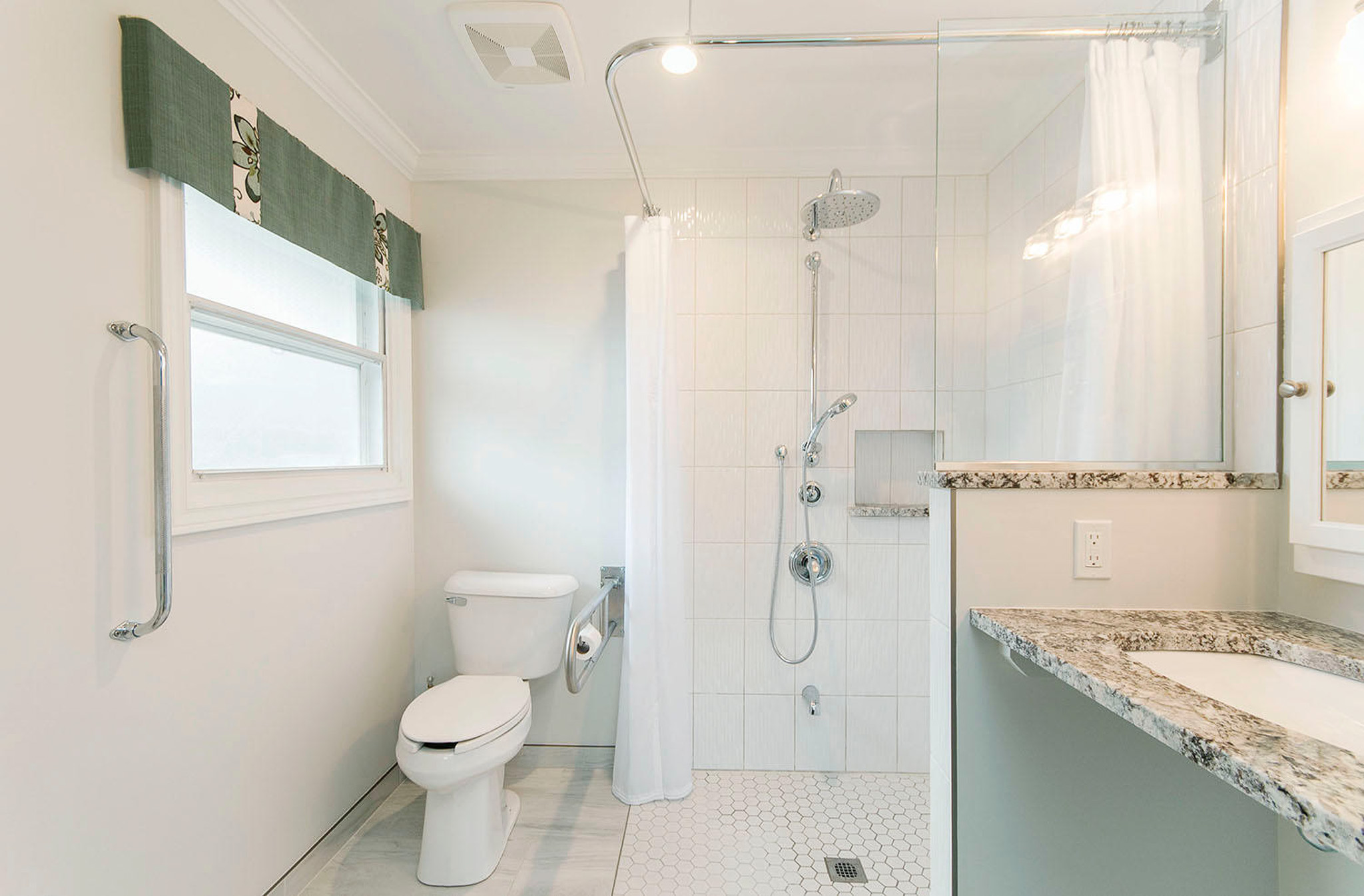
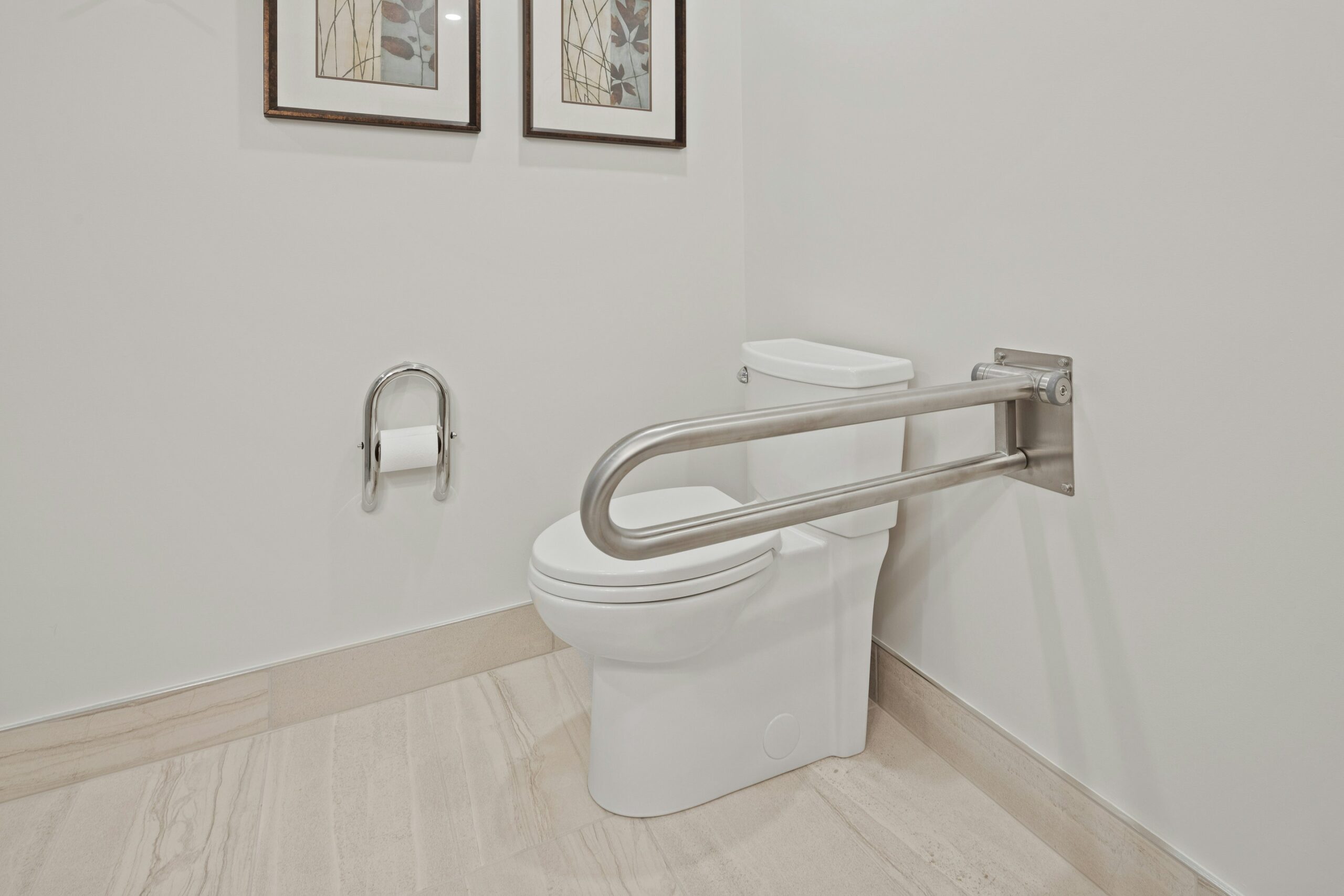
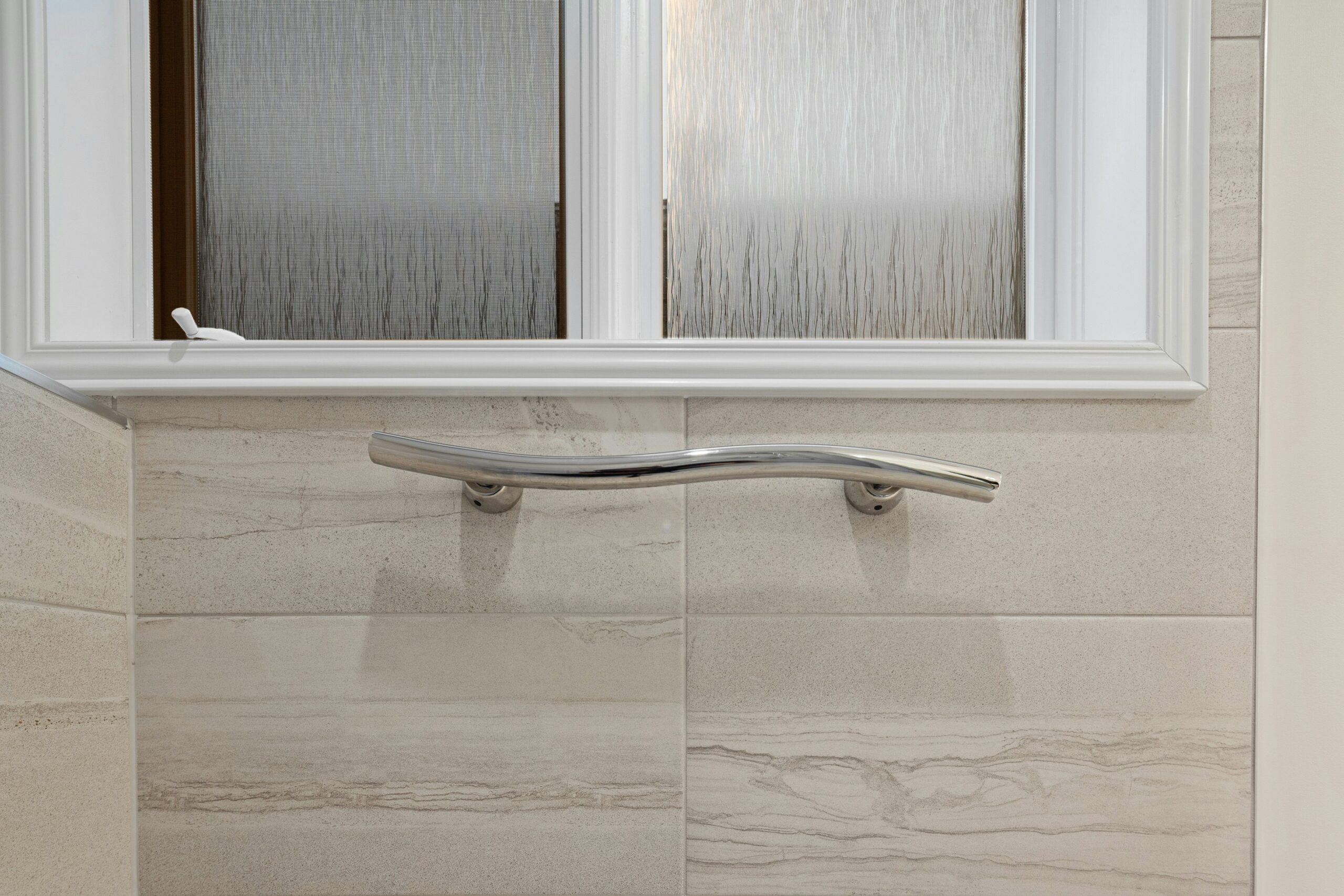
Grab bars in the bathroom — beside the toilet, inside the shower, and at the tub entry — are the most commonly approved modification under Ontario auto insurance. They must be installed to code by an HCAI-registered contractor and supported by an Occupational Therapist’s written recommendation.
2. Wheelchair Ramps
If your injury has left you using a wheelchair or walker, exterior and interior ramps are covered as part of your home modification benefits. Ontario Building Code requires a 1:12 slope — one foot of ramp for every inch of vertical rise — and your insurer must fund the full cost of a compliant installation when recommended by your OT.
3. Roll-In and Walk-In Shower Conversions
Converting a standard tub to a roll-in (zero-threshold) shower is one of the most significant home modifications covered by auto insurance Ontario policies. A full conversion includes the linear drain, waterproofing membrane, fold-down bench, handheld showerhead, and grab bars — all fundable through your accident benefits.
4. Doorway Widening
Standard interior doorways (28–30 inches) are not wide enough for most wheelchairs. Widening to 36 inches, or installing offset swing-clear hinges as a cost-effective alternative, is a recognized modification under SABS accident benefits.
5. Non-Slip Flooring
Slip-resistant flooring in the bathroom, hallway, and entryway is a safety modification your insurer may be required to fund if it is recommended in your OT report. Textured porcelain, slip-resistant vinyl, and matte-finish stone are all accepted materials.
6. Comfort-Height Toilets and Bathroom Fixtures
Replacing a standard-height toilet with a comfort-height (ADA-height) model, and upgrading faucet handles from round knobs to lever-style, are fixture modifications commonly included in approved home modification plans for injury recovery.

How the HCAI Claims Process Works for Home Modifications
Understanding the HCAI (Health Claims for Auto Insurance) system is essential before any renovation begins. Here is how the process works step by step:
- OT Assessment: A licensed Occupational Therapist visits your home and produces a written report recommending specific modifications based on your injury and functional limitations.
- OCF-18 Submission: Your OT submits an OCF-18 Treatment and Assessment Plan to your insurer, requesting pre-authorization for the modifications and their estimated costs.
- Insurer Review: The insurer has a set period to approve or dispute the plan. If disputed, your personal injury lawyer can escalate.
- Pre-Authorization Received: Once written pre-authorization is in hand, construction can begin. (Do not start before this step — unreimbursed work is very difficult to recover after the fact.)
- HCAI-Registered Contractor Completes the Work: The contractor invoices the insurer directly through the HCAI system. You do not pay out of pocket for approved modifications.
What Insurers Cannot Deny
Your insurer cannot deny home modifications covered by auto insurance Ontario that are:
- Recommended in writing by a licensed OT
- Pre-authorized through the HCAI system
- Completed by an HCAI-registered contractor
- Invoiced in a compliant format
If your insurer disputes a legitimate claim, a personal injury lawyer can help you access the Licence Appeal Tribunal (LAT), which resolves accident benefit disputes in Ontario.
Common Reasons Claims Get Denied — and How to Avoid Them
Even when modifications are legitimate and medically necessary, claims are denied for avoidable reasons:
- No OT report on file before work began
- Contractor not HCAI-registered, so invoices are rejected outright
- Work started before pre-authorization was received in writing
- Invoice format non-compliant with HCAI documentation standards
Working with an experienced HCAI-registered contractor eliminates most of these risks. (See: 10 Tips To Make Your Home More Accessible Without A Major Renovation)
The Bottom Line
Home modifications covered by auto insurance Ontario are a legal entitlement — not a courtesy your insurer can simply deny. The key is following the correct process: OT assessment first, pre-authorization before construction, and an HCAI-registered contractor throughout. With the right team, most modifications are completed within days of approval and cost you nothing out of pocket.
In-Trend Home Solutions is a fully HCAI-registered accessibility contractor serving the GTA, Cambridge, and London. We work directly with OTs and insurers to handle the documentation from start to finish.